Timing
Best Time to Send Cold Emails in 2026: Data, Timing & B2B Patterns
Discover the best days, hours, and follow-up timing for B2B cold emails in 2026. Learn what top sales teams do differently and get a copyable sending schedule.
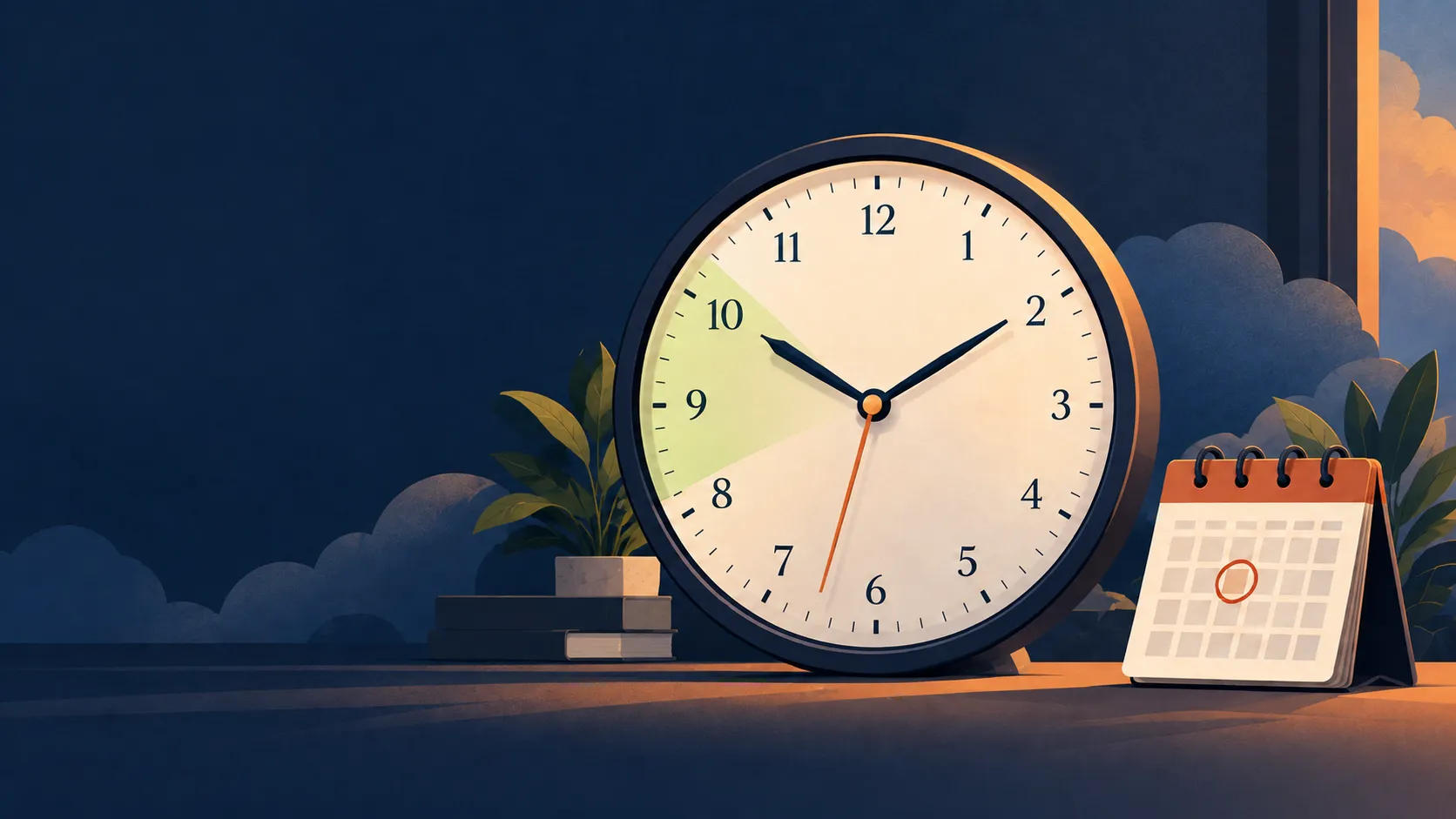
If you want the 30-second answer, here it is:
Tue–Wed
Best days to send
8–10:30 AM
Best window, recipient’s local time
48–72h
Gap between follow-ups
But the real answer is more nuanced. In 2026, top B2B sales teams are no longer asking “What is the best time to send cold emails?” They’re asking:
- What is the best time for this specific buyer?
- In their time zone?
- Based on when they usually check email?
This guide combines current B2B email benchmarks, sales team patterns, and practical cold-email workflows to help you improve open rates, reply rates, and meeting bookings.
What the data says about cold email timing in 2026
Across SaaS, agencies, and B2B services, the strongest performance still clusters around weekday mornings.
Average B2B cold email reply rate by weekday
Why Tuesday wins: inboxes are cleaner than Monday, and buyers haven’t mentally checked out for the weekend.
The best days to send cold emails
Tuesday: the clear winner
- Highest reply rates in most B2B campaigns
- Buyers are back in execution mode
- Fewer internal meetings than Monday
Wednesday: almost as good
- Great for founders, managers, and operations teams
- Often produces slightly higher meeting-booking rates
Thursday: good, but weaker
- Works well for follow-ups
- First-touch campaigns usually perform lower than Tuesday/Wednesday
Monday: not terrible, but risky
- Inbox overload
- Weekly planning and internal priorities dominate attention
Friday: usually the worst
- Lower engagement
- More mobile-only checking
- Decision fatigue
The best time of day (recipient’s local time)
This is the mistake most people make: they send based on their own time zone. Always send based on the recipient’s local time.
Reply rate by send time
Best window: 8:00 AM – 10:30 AM
This is when many professionals:
- Start processing email
- Prioritize external communication
- Haven’t yet entered deep work or meetings
Second-best: 1:30 PM – 3:30 PM
Useful for:
- Follow-ups
- Agency outreach
- Sales emails to SMBs
Avoid: 5 PM – 8 AM
These emails often get buried overnight.
Timing alone won’t save a bad email
A perfectly timed email with poor personalization still loses. For example:
- “Hi {{firstName}}, I hope you’re doing well” → ignored
- A specific observation about the company → replied to
If you’re working on personalization, read AI Cold Email Personalization: How Top B2B Teams Get 3x More Replies in 2026.
Best time by audience
| Audience | Best time |
|---|---|
| CEOs / Founders | 7:30–9:00 AM |
| Sales leaders | 8:00–10:00 AM |
| Marketing teams | 9:00–11:00 AM |
| HR / Recruiting | 10:00 AM–12:00 PM |
| Developers / Engineers | 2:00–4:00 PM |
| Agencies | 8:30–10:30 AM |
The time-zone rule that increases replies
If you’re emailing globally:
| Region | Send at |
|---|---|
| US East | 8:30 AM ET |
| US West | 8:30 AM PT |
| UK | 8:30 AM GMT/BST |
| Europe | 8:30–9:30 AM local |
| India | 9:00–10:00 AM IST |
Never blast everyone at one global time. This is one reason automated scheduling tools outperform manual sending.
What about follow-ups?
Follow-up timing matters almost as much as the first email. A recommended sequence:
| Step | Send at |
|---|---|
| Email 1 | Tue 9:00 AM |
| Follow-up 1 | Thu 9:00 AM |
| Follow-up 2 | Next Tue 9:00 AM |
| Follow-up 3 | Next Thu 2:00 PM |
For a full breakdown, read Cold Email Follow-Up: How Many Follow-Ups Should You Send in 2026?
5 timing mistakes that kill reply rates
These are extremely common.
- Sending at midnight in the recipient’s time zone
- Blasting all countries at once
- Sending first-touch emails on Friday
- Following up the next morning
- Ignoring audience behavior
If you’re making any of these, you’re likely losing replies before the copy is even read. For a broader list of conversion killers, see 7 Cold Email Mistakes That Kill Reply Rates in 2026.
A copyable B2B sending schedule
Here’s a simple schedule most startups and agencies can use immediately.
| Day | Action |
|---|---|
| Tuesday 9:00 AM | First-touch email |
| Thursday 9:00 AM | Follow-up #1 |
| Next Tuesday 9:00 AM | Follow-up #2 |
| Next Thursday 2:00 PM | Follow-up #3 |
This schedule is intentionally boring. Boring systems usually outperform clever ones.
Treat it as a default, not a rule. If a stronger signal shows up mid-sequence, like a new hire or a funding announcement, that beats waiting for next Tuesday.
Does AI change email timing?
Yes, but not in the way people think. AI doesn’t magically find a secret hour. It helps by:
- Scheduling in local time zones
- Personalizing at scale
- Staggering sends naturally
- Adapting follow-up timing
- Avoiding spam-like bursts
That’s why modern outreach is less about “send at 9 AM” and more about “send at the right time for each recipient.”
Outbird schedules every send in the recipient’s local time automatically, but timing only matters once there’s a real reason to reach out. That’s the part most tools skip. Outbird watches your ICP accounts for buying moments first, then handles the timing and channel once one fires.
The 2026 rule of thumb
If you remember only one framework, remember this:
| Rule | What it covers |
|---|---|
| Tuesday–Wednesday | Best days |
| 8:00–10:30 AM | Best time |
| Recipient’s local time | Always |
| 48–72 hour follow-ups | Best cadence |
| Personalization beats timing | Every time |
Final thoughts
The biggest cold-email mistake in 2026 is not sending at the wrong hour. It’s treating timing, personalization, and follow-ups as separate problems.
Automate the timing, not the relationship.
The highest-performing B2B teams combine all three
- Send in the recipient’s local morning
- Personalize the first line
- Follow up 3–4 times
- Automate the timing, not the relationship
Key takeaways
- Tuesday and Wednesday outperform other weekdays for B2B cold outreach.
- 8:00–10:30 AM local time is the strongest sending window.
- Personalization matters more than timing.
- Use 48–72 hour follow-up gaps.
- Avoid Friday afternoon and late-night sends.
- For global campaigns, schedule by recipient time zone.
Frequently asked questions
What is the best day to send cold emails?
Tuesday is generally the best day for B2B cold emails, followed by Wednesday. These days consistently show higher reply rates than Monday or Friday.
What is the best time to send cold emails?
The strongest window is 8:00 AM to 10:30 AM in the recipient's local time zone. Early morning works best because many professionals process external emails before meetings begin.
Should I send cold emails on Friday?
For first-touch emails, Friday is usually the weakest option. Engagement tends to drop significantly after 2 PM on Fridays.
How long should I wait before following up?
Wait 48–72 hours before the first follow-up. Following up the next morning often feels too aggressive and rarely improves reply rates.
Does time zone really matter?
Yes. Sending at 9 AM in your time zone can mean midnight for the recipient. Always schedule based on the recipient's local time.
What is the best time to email CEOs and founders?
CEOs and founders often respond best between 7:30 AM and 9:00 AM, before their calendar becomes crowded.
Can AI improve cold email timing?
AI is most useful for local-time scheduling, send staggering, and follow-up optimization, not for discovering a single magical send hour.
How many follow-ups should I send?
For most B2B campaigns, 3–4 follow-ups is a good balance between persistence and avoiding inbox fatigue.